Empower my brand
Empower my brand

Social Listening helped Grocery Chain Kroger during this Pandemic

When the pandemic set in, every aspect of life shifted to the online sphere. The use of social media which has forever been on the rise saw a phenomenal bump up in the past few months. Brands realized the effectiveness of social listening in managing brand reputation.  Here’s how social listening helped the grocery chain, Kroger, during the pandemic. 
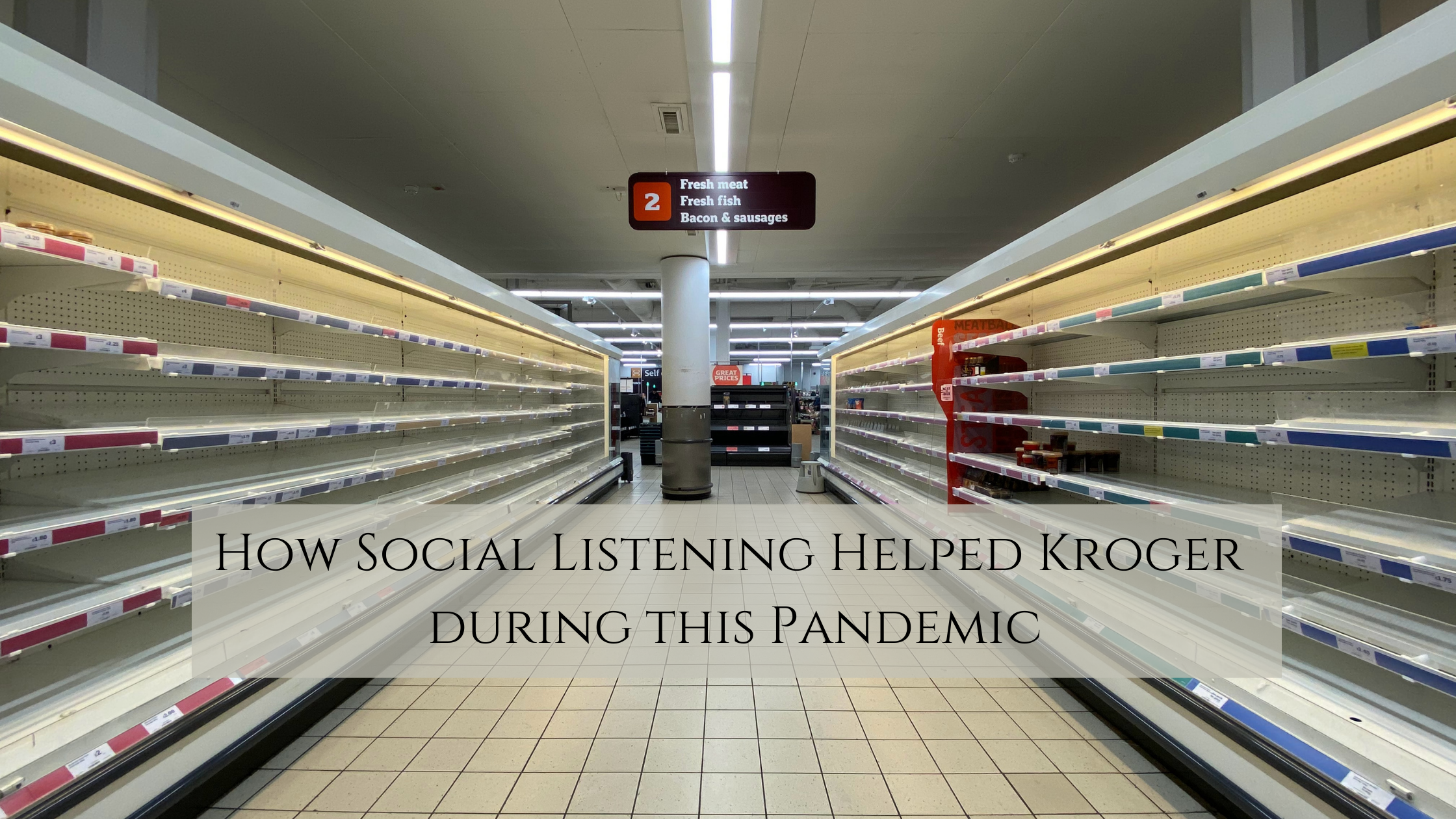
Social Listening Helped Kroger during Pandemic

The Brand in Picture – Kroger, America’s Grocery Giant

The American chain of supermarkets, Kroger Co. is the largest grocery chain in America and the second-largest hypermarket chain in the world. All this without even expanding overseas. This brand boasts of having 3000 locations in the United States and of employing over 435 thousand people

Being a massive brand with an equally massive reputation to manage can be tough especially during uncertain times. This is why this 136-year-old grocery store relied on social listening during the COVID-19 pandemic. 

Grocery stores saw a surge in demand during the initial months of the pandemic. Sales in the grocery sector shot up by almost 27% in March. Though the pandemic increased grocery sales it threw some uncertainty even to this industry, which usually depends on predictable buying patterns. However, the enormous increase in demand put excess strain on the supply chain. Most supermarkets realized their weaknesses in maintaining inventory and handling safe-shopping protocols et cetera. 

At such an hour, Kroger keyed into consumer sentiments to know about their needs in real-time. 

How Social Listening Helped Grocery Chain Kroger?

Kroger adopted a three-pronged approach to marketing during the pandemic. They worked closely with a partner agency to listen to and analyze daily conversations in the US. The three pillars of their marketing strategy included:

  1. Educating customers,
  2. Customer support, and 
  3. Sending out positive/uplifting messages

Helped to Identify Trends 

The brand paid attention to the conversation about the cultural unrest and the Black Lives Matter movement. “The team did a really nice job of quickly identifying and elevating black creators,” said Emily Hartman, Kroger’s director of brand building.

Helped in Managing Marketing Operations 

Kroger had been investing millions in forward-looking technology over the years. However, the suddenness of the pandemic caught the brand off guard and they were failing to keep pace. This is when Kroger worked extensively with the partner firm to get insights via social listening analyses. The executives knew that such reporting is important for any business. However, they noticed that it had become one of the top things on the agenda as a driver for customer engagement on social media during the pandemic. 

“It was the quickest way to get feedback from our customers and consumers, in general, on what was going on in sort of the macro [sense],” Hartmann said about Kroger’s social listening. “Some of the things you were reading, you could actually [take action] on it far more [effectively].” 

Helped Derive Key Consumer Insights to Stay in Business

Being able to listen to the needs of the customers helped Kroger stores to install customer needs faster. This allowed the stores to give out the information. They answered consumer concerns regarding safety measures and changes in store operations. Kroger was also able to implement changes quickly, like when people suggested early shopping hours for senior citizens. 

Helped them Advertise Better

The team at Kroger was able to listen to what people were saying on social media. They could even pick up on the rising sentiment of empathy for frontline workers. And almost immediately, they were able to deploy messaging centered around the employees, particularly store associates. 

The Coronavirus hit businesses across the world and most businesses were caught off-guard. As a grocery chain, Kroger is just another one among such brands. How they dealt with the adverse conditions sets them apart. And, the way social listening helped Kroger during the pandemic shows the power of social media and automation when they work together. 

What are Social Media Listening Centers?

Social listening has been gaining ground as an essential tool for online marketing. This trend is clearly visible in the fact that an increasing number of companies are tuning in to listen to online chatter every day. And this is for a reason. Active social listening has motivated businesses to perform better. Companies have started to use social media listening centers to monitor and analyze social data. This is how they monitor online reputation and derive actionable insights. 

Social Listening Command centers

What is a Social Media Listening Center?

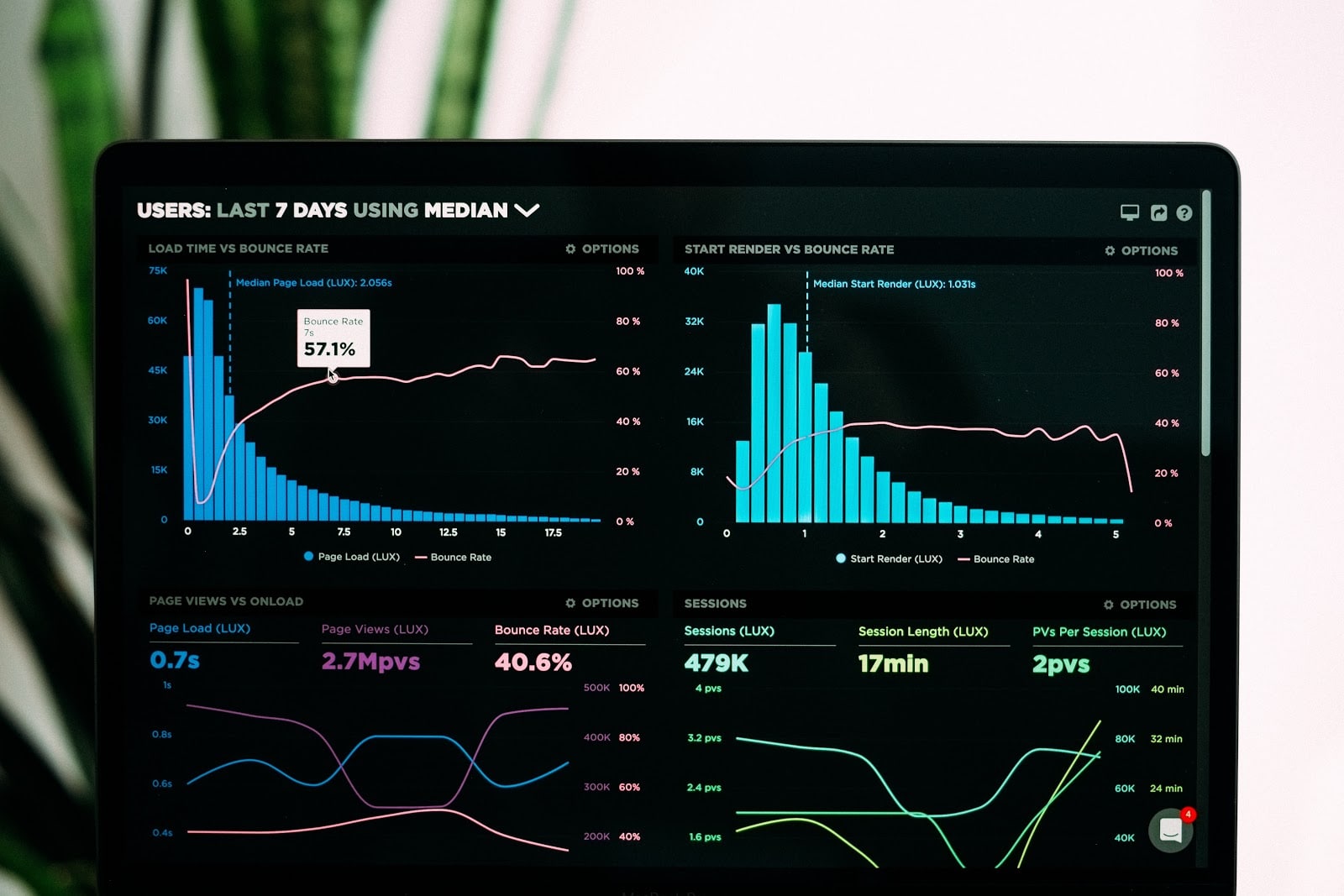
You must have heard of brand offices having sleek glass rooms with monitors displaying graphs and charts all over. Every other brand like Dell, Cisco, Tampa Bay, Gatorade seem to have these. These spaces are for the social media team. They monitor their brand’s performance online as the elite system pulls in data. The social media listening center helps an organization monitor real-time tweets, reviews, heat maps and shifts in sentiment. Every department works in tandem with the information which goes out of this room. Hence, it is ideal to concentrate all social listening activities to a dedicated area. This helps ramps up your crisis management strategy and allows you to react well in time. 

Why is a Social Media Listening Center a Necessity Now?

The effectiveness of having a centrally communicative system providing actionable information is self-explanatory. However, setting up such a system would require resources. But here’s a business case to justify such an investment:

  • Everyone has access to data. When you have a centralized system for social listening and data analysis you can team up with other departments and change the way your company shares information. 
  • When you have a dedicated team, you are listening to the chatter and deriving insights round the clock. Your decisions are no more based on guesswork but are backed by the insights that you got from your target audience. 
  • Using a social listening tool makes data more accessible. You can grant access to easily comprehensible tips to all your employees. Data is presented in well-thought-out visualizations which are easier to understand. 
  • When you are monitoring data round the clock, there are very low chances of being hit by an overnight crisis. Your social media team would be able to jump into action at the first sign of a negative mention. 
  • Apart from these additional advantages, you get all the other benefits of using a social listening tool. This includes ease of doing market research, content marketing, influencer marketing et cetera. 
  • A social listening command center goes a long way to help both your customers as well as your employees. As a result, you can build your business better. By listening to your customers, you get to know about their needs and expectations. When you deliver, you win their support. For an employee trying to figure out ways to improve business for the brand, these insights or pointers are of great help. 

In Conclusion

Top brands and startups have all started diving deeper into social conversations. For some, it is to measure mentions, while others may use it to generate leads or manage crises. Whatever be the case, social listening has been on the rise and a social listening command center helps to make the process more streamlined. 


Why does Social Listening matter?

We find every other report on digital marketing trends today talking about the growth of social listening. This emphasis has seen a sharp rise in the past few months. Brands have come to realize the importance of listening to the online chatter. They wish to build stronger customer relationships in these uncertain times. If you are still wondering why does social listening matter, here are 3 major reasons. 

Why does social listening matter

What is Social Listening?

In all probability you already know this, but here’s a quick definition of social listening. It is simply the act of tracking mentions across social media platforms. You could choose to track mentions for your brand, or a specific keyword, your campaign hashtags et cetera. The tools further analyze these mentions to present insights that might help you discover opportunities for improving your business prospects. 

Many times, social listening is used interchangeably with the term social media monitoring. And even though the two are similar, they are not the same. Social media monitoring is simply tracking mentions and relevant hashtags. Listening, however, is a more detailed process. It looks beyond the mere number of mentions. Social listening assesses and analyzes the mood of the people talking about you. It presents the analysis using what people have actually said about you. 

Put simply, social media monitoring will tell you that 120 people are talking about your brand. This seems great, right? So many people are talking about your brand, you must have done something right. Social listening will get you a better perspective here. It will read into all these mentions. And tell you that out of the 120 people, 90 are unhappy with your service, 20 have a neutral opinion and only 10 are happy. Now, do you see the difference it could make? 

Why Does Social Listening Matter?

The one reason why social listening matters is that social media activity is growing each day. Especially since the Coronavirus pandemic has hit, the US saw a massive increase in the number of daily social media and internet users. What makes social listening an important activity during this period is the spread of fake information. The pandemic has caused people to spread false claims and if you aren’t vigilant enough, your brand could take a hit. Social listening during this global pandemic situation is a topic we have covered extensively on our blog here, here and here

Moving on, the other two reasons which make social listening matter the most are as below:

Provides Quantifiable Data and Metrics

To be honest, there are so many marketing metrics that most marketers have little or no idea of or the ways in which they can help. We would say, the best way to judge the success of your business is to gauge your audience’s reactions. Getting first-hand information from them about their experience helps. But collecting review forms and analyzing them manually isn’t the smartest way to do it. Social media definitely helps in this regard because people use this platform to vent their feelings. Listening tools can catch these subjective details and have the ability to derive quantifiable insights from them. 

A social listening tool does not separate individual metrics. It combines all of the KPIs like SOV, SOE, sentiment analysis, demographic analysis to tell you exactly where your brand stands in terms of visibility and performance. Isn’t one platform which takes care of everything better than using many different tools performing different jobs? 

Helps with a Wider Range of Marketing Strategies 

When we say, it is an all-in-one tool, we don’t just mean it in terms of measuring KPIs. Social media listening lets you maneuver through various marketing activities at the same go. Use it to get started with your influencer marketing campaign. It also aids in keeping you engaged with your audience members and helps build a lasting relationship. You can get content ideas, manage reputation crises, and improve overall customer service all from this one platform. Most of these activities make up the chunk of regular marketing activities for most brands.  

The multitude of benefits it provides is exactly why social listening matters. When you have relevant data and the analysis available, you can start focusing on taking action. Take Auris on a ride to help you with the process.