Empower my brand
Empower my brand

How do I Check my Online Reputation?

A strong reputation has always been important for businesses and brands. With more people eager to shop online in recent times, online reputation has become vitally important for everyone, especially businesses. Good reviews on search results, social media, and business portals can attract potential customers.  A good reputation helps a business to grow fast while anything short of it can affect a business in varying degrees, all negative.

Online Reputation

That said, negative reviews are bound to happen. They could be from a disgruntled customer, from a rival, or even from an unsatisfied employee. It may or may not be your fault entirely, but it sure can drive away customers. That is why businesses need online reputation management or ORM. And with the right ORM tools, it is possible to monitor, analyze, and manage your brand’s online reputation.

How to Monitor Online Reputation with Social Listening?

To create and implement an ORM strategy, businesses first need to decide how they want to

monitor their reputation online. There are many ways to do so, with social listening being the most effective. And there’s a good reason for me to be saying this. 

Social listening makes monitoring and analyzing the buzz around your business easier than any other research method. Marketers have been using the data obtained to create ORM strategies and to perform many more branding activities. It provides a one-stop solution for all your brand marketing needs. 

This brings us to the discussion of how brands and businesses can use social listening to monitor their reputation online. Well, this can be done manually or with the use of social listening tools. Automated tools like Auris reduce the time and effort required to extract data relevant to your business from social chatter. Here’s how social listening can help:

Monitor Conversations in Real-Time

Listening to what people are talking about your brand is the first step of ORM. Social listening tools comb through millions of social media conversations to find out what people are talking about when it comes to your brand.

Launch New Products

Businesses must select a good time to launch products for their success. If the user sentiment is currently negative, your product will receive a poor response. With social listening tools, it is possible to gauge market sentiment and prepare for a launch accordingly.

Have Accurate Data for Analysis

It is impossible to judge how well a brand is doing without factoring in data from social media. With about 3.6 billion users in 2020, social media is a big marketplace. As such, brands have to monitor and analyze their reputation on social media before formulating any ORM strategy.

Set Alerts 

It is not possible to monitor market sentiment 24*7 manually. If a disaster strikes when your marketing team is busy with other activities, it may blow out of proportion before you can act. That’s why brands can set up alerts for an unusual spike in the volume of @mentions, hashtags, etc. if using a social listening tool. With timely alerts, brands can jump into damage control before things go out of control.

Improve Brand Engagement

A negative review is, no doubt, bad. What’s worse is not responding to it. Often brands fail to

respond to a review because they aren’t aware of it. Social listening can help you here. As soon as you receive an alert, you can see what’s going on and respond suitably. This shows that you care about customer experience and are eager to make up for any of your faults. This will not only retain present customers but will also attract potential customers.

Analyze Competitor Sentiment

Analyzing user sentiment around your brand isn’t enough for ORM. Brands must also analyze how users feel about their competitors, likes and dislikes, strengths, and shortcomings, etc. This will allow marketers to create a strategy that benefits from the competitors’ pain points.

Any brand or business that wants to flourish must take care of its online reputation. ORM must be a part of your marketing strategy. And adopting a data-driven method isn’t a choice anymore, it’s essential. Automation like social listening provides accurate and useful data. Integrating this will only help to improve a brand’s reputation and in keeping ahead of competitors.



Do’s and Don’ts of Online Reputation Management

Online reputation building is important for any business, even if it primarily operates offline. It gives business credibility and makes potential customers trust you. But the online landscape is such that a smooth ride isn’t always possible. Not all feedback or reviews are positive. It is quite natural to have some negative reviews along with positive reviews even if you do your best. However, negative feedback can make people doubtful about your brand and drive away business. That’s where online reputation management comes in.

Do's and Don'ts of Online Reputation Management

Why Is Online Reputation Management Important?

Many businesses do not comprehend the importance of reputation management until it’s too late. Online reputation management is not for covering up negative comments or feedback. It is a continuous process that stays focused on maintaining and improving the positive impression that people have about your brand. That’s why reputation management campaigns should be a part of your online marketing plan from the start. 

With the right strategy and approach, reputation management can do more than managing PR disasters. It can help you improve your products and services based on negative feedback. And when you listen to your customer’s inputs, you make them feel valued hence fostering a strong relationship.

Do’s and Don’ts of OnlineReputation Management

All brands and businesses receive negative feedback from unsatisfied customers but that’s not the end of the world. Here’s a list of things that you could do or not do when you receive negative feedback:

Do’s

Claim and Monitor Your Business Profiles

Make sure that you own your business profiles on websites like Google Business, Yelp, Yellowpages, TripAdvisor, and others. Add accurate business information to these profiles and actively track the reviews posted because reviews can affect your business. As soon as you receive a complaint, work sincerely to resolve it. Make sure that you work on the pitfalls.

Use Active Social Listening 

There is no denying the importance of social media. People trust the information on social media much more today than ever before. So, it is important to track all negative comments or feedback on various platforms. Businesses can use social listening tools for this or manually track @mentions, comments, hashtags, etc.

Be Professional

Be professional while replying to reviews. Businesses must try to offer personalized replies to all reviews, negative or positive. Generic responses can hurt reviewers and they may never look back. But a genuine reply with the assurance that you will look into the matter can make up for some of the lost trust.

 Make An Offer

An easy way to deal with an unhappy customer is to make an alluring offer. Present them with a gift code or discount code as an acknowledgment of your fault. Chances are, you may win the customer back. Even if it doesn’t happen, you may impress other users as it shows you take after-sale service seriously.

Don’ts

Retaliate

Unless the review is fake or made out of malice, do not retaliate. Negating your customer can make you lose potential customers. What you should do instead is respond to their feedback. Enquire what went wrong or why they are dissatisfied. If the reason is already mentioned, say that you will look into it and take care of the problem.

Panic

One negative review will not ruin your future. Don’t leave everything else and jump into damage control without planning. Hasty decisions will do no good. It is important to judge the situation and create a strategy for damage control. Taking a measured step is important to prevent backlash and keep the situation under control.

Be Passive

Do not leave negative reviews be. Sometimes customers might mention your brand name without tagging you. Social listening tools will alert you to any negative mentions. Try to follow up as soon as possible. Leaving out any negative mentions/reviews can make you lose business. 

As a business owner, it’s natural to fear negative reviews or comments. However, it shouldn’t blow out of proportion and hamper your brand’s image. That’s why pro-active online reputation management is better than a reactive approach. Social media listening can help you judge your audience’s sentiment and formulate a suitable response.


Online Reputation Management for Hotels

The importance of online reputation management for hotels can not be overstated. This industry thrives by providing better customer service every day. What would it convey about a hotel’s service if its online reputation were to take a dip? And this concept of online reputation management isn’t new, so technically every hotel brand should have a strategy in place. If you don’t, you can start now using some of the upcoming tips.

Online Reputation Management for Hotels

Why is Online Reputation Management Important for Hotels? 

People would argue that hospitality has more to do with the physical form of customer service than others. Think again! When was the last time you received a major number of bookings where the customer was physically present? How many customers visit you physically to inquire about services and charges? Most of these activities have shifted to the online realm. Online presence has also become increasingly important in the current situation with some parts of the world under physical lockdown with no major tourist activity. 

Digitization has been a big change for the hospitality industry and it is not new. People have used the internet to search for good places to stay at, they have used the internet to make inquiries et cetera. The only difference is now online reviews are readily available for almost any place. A search for your hotel will bring up all previous reviews written by other customers. Also, your potential customers follow your social media pages or the news around your brand. They keep a check on all the activities you are doing, especially the ones which draw negative remarks online.  Hence, it is important to maintain a pristine image online if you are keen on getting the chance to host your future customers. 

If you don’t believe us, trust these statistics from the world of travelers who share their opinions online:

  • 38% of people who booked hotels are of the opinion that positive hotel reviews are an incentive to stay at a particular independent hotel. 
  • If a hotel manages to increase its rating by 1 point (on a 5 point scale), it can increase its prices by 11.2% and still maintain the same market share. 

Can Technology Help Hotels Manage their Online Reputation?

Technology has been helping hotel owners to promote their brand while helping their customers to search for the best place to stay at. Websites and apps like Yelp, TripAdvisor, Expedia et cetera have been helping hotels advertise to the audience. These aggregator apps also support guest reviews based on factors like service, ambiance, customer experience et cetera. So when a customer goes online to book a hotel, they do read through the reviews people have posted for a hotel. 

And this is only one of the sources that help customers make a purchase decision. They also look for recommendations online on social media platforms. Facebook has an “asking for recommendations” feature as well. This is where the online community is discussing their worst and best hotel experiences. 

This information is fluid, and this is where technology again steps in to help the hospitality industry. It is impossible for a person to manually go through each conversation happening online. Social listening and ORM tools assemble reviews and relevant data points for you. 

What to Look for in an ORM Tool?

The smart way to get the most out of your online reputation management tool is to use one which provides multiple services. Data points can provide a multitude of different insights for your business. Make sure you find a tool that serves all these needs. Here are some pointers about things you should consider in an ORM tool:

  • Your ORM tool helps you assemble reviews and mentions from all leading social media and review platforms. You cannot afford to miss any of these mentions/reviews because even one negative review could be detrimental to your brand image.
  • The tool should be able to analyze your online performance (in terms of visibility, band image, SOV, etc) over a period of time. Using historical data improves the accuracy of the insights drawn and thus helps you make better decisions. 
  • Provides a simple and effective gateway to raise a ticket and respond to guests. The system should have a suggested response template that helps you with this task. 
  • The overall ease of tracking is the most important. You should be able to understand the data quickly. Most dashboards make use of graphs, emoji faces, word clouds et cetera to make the data easier to comprehend. 

ORM tools like social listening help you further understand the demographics and dive deeper into the data to find the pain points. If you own a chain of hotels, it might show you that a particular branch is trending but not for a good reason. If you delve deeper into the word cloud and subsequent reviews you might find that people are complaining about the concierge service. You can now pinpoint the problem for resolution and for the information of your management. Big hotel chains need such a cluster view for proper administration when they have operations running at multiple locations and this is where artificial intelligence can help. For example, if Taj has 50 hotels in the country, tools like Auris can monitor their Google My Business reviews/Tripadvisor reviews all at once and respond to these as well. 


How much does Online Reputation Management Cost?

Marketers often find themselves confused when considering the best and budget ORM tools available. Online reputation management is of the utmost importance in the wired world. Hence, it makes sense for the service to be demand. The cost of online reputation management would be based on the people you talk to. It’s also about whether you are opting for personal ORM or business. 

Unfortunately, companies are benefitting from your confusion. It is nearly impossible to judge if the fees you are paying are justified, given your situation and needs. We’ve tried to put together an honest picture of the situation for you. 

Online Reputation management cost-min

The Actual Cost of Online Reputation Management

Before we start looking at finding an honest service, we have to know its actual price point. If you agree to pay a certain amount you should know the service and the cost that goes into it. 

If you are interested in online reputation management for the long term, a software tool will prove more cost-effective than hiring a team of specialists. 

So ultimately, the explanation of the charge will depend upon:

  • The complexity of your reputation problem, 
  • The issues you want to get fixed, and your goals
  • The length of time for which you will be involved with the process. 

Different professionals charge different rates based on these factors and their specific expertise. 

Online Reputation Management Techniques

When you look for online reputation management, keep in mind that it is not a one-time process. Simply put, in a world where over 1.5 billion people shop online, your online business needs to look good. To make this possible you need to make sure of portraying a positive brand image. 88% of customers research online before making a purchase. This means they will read about any negative or positive reviews that your brand has. One bad review can be disastrous for your company’s sales and future. 

Monitoring brand mentions online and paying specialists for online reputation management can become a financial burden. Especially so, if you are a small-sized business. With bigger businesses, the problem is more complex. For some, the cost of hiring a professional can climb up to $10000 per month. 

Social listening is an effective tool in this situation. It saves your business from this vicious cycle of seeking professionals and paying big dollars. For instance, Auris brings you real-time updates of all your brand mentions. This makes it easier for marketers to act immediately in case of a crisis before it becomes full-blown. It’s impossible for you to sit hawk-eyed all-day long, trying to track each online mention. Complimentary services from Auris keep a check on the social sentiment for you. Social media analytics is also a featured service within the tool Auris, which provides you with the key ethnographic metrics. When you know what your audience likes (or dislikes), it becomes easier to cater to their taste. 

In the long run, a social listening tool adds value to your business. It makes your marketing team get self-sufficient with online marketing and online reputation management. Before investing in the tool, you can test its services, as most of these tools offer a free trial. 


Assess Your Brand Reputation on Social Media Networks

It takes years to build a reputed brand name; however, one negative review could ruin it and leave a wreck behind. Keeping track of your brand reputation becomes vital to avoid such an unpleasant crisis.

It’s a known fact that customers who are happy may not leave feedback, but the unhappy ones today take the time out of their packed schedules to share their experiences with others. It’s only natural for a potential customer to trust the first-hand review more than any marketing material put out by the brand itself. So, how do you manage your online reputation? Is it possible to keep your customers happy, at all times?

Company branding

How does managing Brand Reputation Work?

Managing online brand reputation is about tracking negative comments and reaching out to connect with such a customer to resolve their issues. You will also need to track the praise or positive feedback for your brand. Encouraging happy clients to engage more positively with the brand on social media is a really clever way to manage online brand reputation.

Carefully following your competitors can tell you about their social media reputation and the strategies they use to maintain it. Overall, brand reputation management allows you to tell your side of the story and helps people to recognize you and to connect with you. It is a very good way to influence the sentiments surrounding your brand.

Many businesses invest in social monitoring tools to keep track of the chatter. But, how do you gather insights into your brand reputation without the appropriate tools to analyze that data?  Only social listening tools help you track brand mentions, analyze the key pain points, identify brand advocates and keep a check on your competitors. Social listening tools come as a complete package for your online brand reputation management.

Channels of Online Reputation Management (ORM)

A professional path to brand reputation management would require a 360-degree approach. The main channels which help manage your online presence include:

Paid Media

Featuring your brand on any digital space that has been paid for falls under this category. PPC ads with Google AdWords, paid ad campaigns on Facebook, paid business accounts on Instagram are some examples under this category. Paid media offers a quick way to gather views, spread brand awareness, gain new customers and build relationships.

Earned Media

Any talk or mention of your business/brand by third-party websites, for which you haven’t spent any money, is called earned media. When your brand is doing exceptionally well, praise in the form of earned media helps you establish a positive brand reputation among the masses. Brand mentions on other websites, positive product reviews, influencers reposting and reviewing your products are all a part of this category.

Owned Media

Every company has its own way of promoting their products digitally via website pages, blogs et cetera. All of them fall under the owned property head. The more regularly you update and maintain your owned properties, the better the awareness you build. A healthy brand reputation can be achieved using owned media diligently. Updating your blogs and optimizing your website to adapt to various device configurations are some ways you can attract an audience to visit your site and raise awareness and education about your products/services.

Social Media

Social media is by far the most popular and important form of media in today’s world. The number of social media users grows each day. Social media offers a platform for a continuous evaluation of your brand’s performance online. It also provides a channel for two-way communication with your customers, critics, and admirers. Engaging people via social media is one of the easiest ways to gain your customers’ trust. It bears repeating to say that social listening tools help you monitor the sentiments around your brand and enable you to take preventive action to avert a possible crisis.

Social Listening for Brand Reputation Management

Social listening is the key to leveraging your social branding via networking sites like Facebook, Twitter, and the like. Social media listening is a smart tool if you use the features it offers to assess and improve your reputation online.

Brand Reputation on Social Media Networks

Monitor the Right Content

Before you start looking for the chatter around your brand, have clarity on what you are tracking exactly. Are you looking for the chatter around the brand name? Alternatively, do you want to know about the chatter surrounding your product or your industry? Some companies might track the news around high-profile employees working with them. You could either choose to track information related to one of these or indulge in a wholesome experience of tracking everything related to your brand.

Integrate all Your Social Media Platforms to one Tool

Tracking social media mentions isn’t an easy task so why not make it simpler? Tagging all your social media accounts to a single social listening tool lets you hear the chatter from all of them. It is also is easier to connect with and engage people across all these platforms via one dashboard.

Social Engagement – for Successful Brand Reputation Management

Social listening tools generally enable you to respond to customers and engage with them. Establishing a strong brand presence isn’t too difficult if you actively respond to your customers. A devoted brand makes its customers feel empowered and privileged. Gaining the customer’s trust is the stepping-stone to positive word-of-mouth reviews. Customer care need not be a one-way process, where you reply only when the customer asks for it. Seeking regular feedbacks via social media polls, website/live chats and surveys also goes a long way in establishing you as a responsible brand.

Managing brand reputation can be a tricky task, but it is not rocket science. With the right amount of patience, planning, and execution, your brand could become one of the most trusted brands in the industry.


Online Reputation Management in Healthcare: Some Case Studies

In healthcare, “Trust” is paramount. This was something the founder of Johnson & Johnson recognized and remarked upon nearly 84 years ago, when he said that businesses had a responsibility toward society and could only build real trust by engaging all stakeholders. In the increasingly interconnected world, building and maintaining brand reputation of healthcare brands is a steeper challenge.

Why is online reputation management important for the healthcare industry?

Managing brand reputation is important for every brand. In healthcare, the need is more acute as distrust of any nature would imply a complete annihilation of the brand. Why is that the case?

  • 60% of adults depend on online reputation/ratings to make a provider choice.
  • Positive reviews are important for at least 33% of them.
  • 37% never meet a doctor or hospital with negative reviews.
  • 72% of patients who post a negative feedback do so because they were unhappy with a billing mistake, incorrect deductible payment, impolite/rude front office staff or improper paper work. Only 28% do so because they are unhappy with the physician.

As a healthcare brand manager, certain assumptions need to be made. One must assume that mistakes and oversights will happen. Also, an assumption which is valid is that disgruntled customers are more likely to vent out their feedback than customers who are happy. As a Harvard Business Review puts it, there’s a systematic problem with many online reviews — they tend to over-represent the most extreme views and what we usually get is a diatribe! A third assumption is also important – in this interconnected world, complaints and concerns are more likely to appear on social before they make it to mainstream media.

Can we learn from these cases where healthcare players managed their reputation, over the years?

  1. The case of poison in pills: J&J

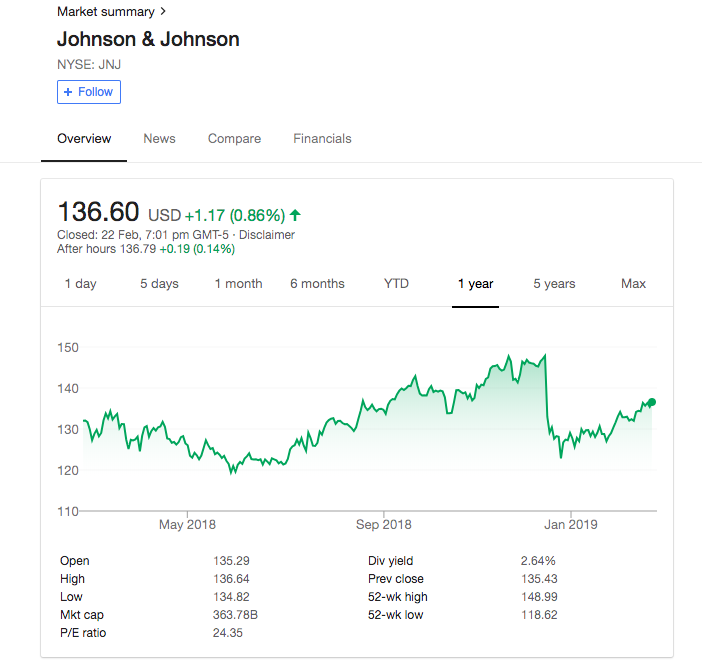
Ask anyone. Pride of place for facing reputation crises goes to J&J for the way it masterfully managed its Tylenol crisis (which spawned multiple business school case studies) in 1982 and of course, the 2018 asbestos-in-baby-talc crisis which is also a full-blown crisis, but we can see that the stock price is showing signs of recovery, already.

J&J healthcare brand reputation case study

Johnson & Johnson’s Tylenol commanded a 35% share of OTC analgesics in the USA, pulling in 15% of the company’s profits in ‘82. Saboteurs laced the tablets with cyanide, causing 7 deaths, and $1bn drop in share price for J&J, drop in market share to 8%, lost production and destroyed goods. The company recalled 31 million bottles of Tylenol, worked hard to make the packaging tamper-proof (using features which became industry-standard since) winning the trust of old consumers again and actually onboarding new ones. Their quick and decisive action, willingness to incur $100 m. more in costs and how they communicated ironclad pledges to protect customers were the stuff of legend. Cut to the recent allegations of knowingly ignoring the presence of asbestos in baby talc. Since the matter stands subjudice, we shall await further developments on how, when (and if) they recoup and return to business as usual. 

  1. Salford Royal Hospitals violation of Privacy

When the medical records of former Manchester United manager Six Alex Ferguson were illegally accessed by some of the staff without a clinical requirement to do so, at the Salford Royal Hospital, the hospital initiated investigations against three staff members for an information governance breach and issued an unreserved apology to the patient and their family with promises to keep them updated as the investigations progress. The manager actually thanked the staff at Salford Royal publicly.

  1. The case of Victoria General Hospitalscapacity issues

Imagine a 77-year-old war veteran with significant medical issues being left on a gurney in the hallway of a hospital for 5 days because the hospital was unable to cope with high patient volumes. This happened at Victoria General Hospital and gained a lot of publicity thanks to the tweets of the patient’s son Darren Laur, a retired staff sergeant with the Victoria City Police Department, saying ‘My dad is a symptom of a broken medical system.” The hospital apologized, moved him to a room, and promised to set up a procedure to ensure that such hallways stay are limited in future.

  1. When Cambridge Health Alliance failed to serve

Laura Levis died of an asthma attack, feet away from a locked emergency room outside Somerville Hospital, trying to get help. The Hospital, Cambridge Health Alliance and the emergency medical response infrastructure were called out on a number of failures like unnecessary communication errors, overburdened staff with training issues, a lack of fail-safes, adequate lighting, proper signage, locked doors along with transparency and accountability. As 911 and the fire department struggled to locate her, the police called a nurse, who opened the locked door – with an unconscious Laura on the other side- but failed to locate Laura in the low lighting. Others found her three minutes later but she couldn’t be revived.

Finally, the hospital and the Cambridge Health Alliance met the husband and apologized and promised not only to improve their processes but also communicate the insights they derived from this, to the other hospitals in the country. The family waited for this apology for over two years and accepted it as sincere enough, but the world can see that it came only after the Boston Globe ran her husband’s account of the events.

  1. The case of a fatal dose at the Vanderbilt University Medical Center

Radonda Vaught, a (former) nurse for Vanderbilt University Medical Center in Nashville, Tennessee, administered a fatal dose of paralyzing anesthetic in the place of a routine sedative to a 75-year-old woman in late 2017, after overriding system safeguards. The Center tried to cover up this incident, probably looking upon it as an inadvertent error but it jeopardized its Medicare status. The hospital’s reputation doesn’t appear to have suffered any serious consequences, as people seem to recognize that the fault was an individual’s mistake rather than the institution’s fault in anyway as the nurse at fault actually overrode the safeguards when she made the mistake, which was almost immediately caught by an alert colleague.

  1. When the lack of oversight cost Hacienda Healthcare its reputation.

Sometimes a situation may prove beyond redemption, as with Hacienda Healthcare, Arizona which just closed down its 60-bed intermediate care facility. It was unwilling to continue operations after a 29-year old patient – in a vegetative state – gave birth to a child on account of sexual abuse from a licensed practical nurse at the center. After two doctors and the CEO quit, the non-profit company decided that patient safety is best served by closing down operations but drew criticism for not opting to increase oversight and set better checks and balances.

  1. Countering fake reviews with proactiveness

A gynecologist found an anonymous negative review posted online by someone claiming that a procedure he did caused harm to them. Knowing that he never performed such a procedure, the doctor replied, challenging the person to talk to the hospital directly. Then, the posting just vanished. The site reached out to the doctor and offered a reputation management tool which would allow him to hide up to three comments from public view for a higher fee and to get his name to pop up on a competing doctor’s page! Which, shockingly, translates to mean that a doctor with a real misdemeanor, like sexual misdemeanor, against him would be able to have a sterling online reputation as long as he pays the rating site to keep it concealed.

  1. Angel of death, not life

Mount Carmel Health System, Columbus, Ohio attracted 19 lawsuits over wrongful deaths which resulted from the actions of its Dr. William Husel who ordered potentially fatal medication for about 34 patients.  Mt. Carmel apologized publicly for not putting the right processes in place to prevent such events of involuntary euthanasia, fired the doctor and fired or suspended about 20 other employees for not exercising their right to question the doctor’s actions.

  1. The case of ethnic discrimination

Some American scientists as well as the Massachusetts-based biotechnology giant Thermo Fisher were involved in the Chinese government’s plan to persecute the Muslim population of Uighurs in the Chinese region of Xinjiang. While the scientists provided the knowledge and additional genetic material needed for China to collect biometric and genetic data pertaining to all these people, Thermo Fisher supplied the DNA sequencers needed for this project. The company’s initial response to human rights groups who question this was that “it is not possible for us to monitor the use or application of all products we manufactured.” But the issue snowballed with the Senator for Florida calling for action against the use of American technology in human rights violations by the Chinese authorities. Thermo Fisher has just changed its stand to say that it had taken account of “fact-specific assessments,” and that it recognizes “the importance of considering how our products and services are used—or may be used—by our customers.” Further developments are awaited.

Anyone can be rated or reviewed online, and the reviewer may or may not reveal their identity when doing so. These reviews and comments will stay on the Internet forever and will only need a little digging to be revealed. There are agencies which provide services which promise to improve one’s rating. Ultimately, all that matters is how one accepts the feedback and modifies one’s actions suitably to convince the world that they didn’t deserve such a review or that they have learned their lesson from it.


Top Free Tools to Monitor your Online Reputation

Online reviews are a boon and a bane at the same time! They work better than any word-of-mouth publicity with positive reviews. That’s because 84% of people who access them, also believe everything that is said and readily base their decisions on them. But what if these reviews are negative? They can be the bane of existence for a business, especially one which does not offer the quality needed to survive against its competition.  As Darwin said a long time ago, it is the nature of things to have the fit only survive. The rest have to improve or perish.

Reviews come in very useful for growth and businesses bent on surviving and succeeding in a competitive atmosphere must pay due attention to them to learn about their own areas of improvement. Unless the reviews are malicious and fraudulent, no one can question the right of a reviewer to voice any opinion, however defamatory nor can the comments be expunged. This makes managing our online reputation with due attention an important component of our competitive strategy. Potential customers watch every comment we make in response to such reviews and make their own assessment of us.

Our online reputation is spread over a number of platforms, some of which maybe unknown to us we find a review of our products or services posted on it. Let’s try and list some of them.

  • Google
  • Facebook
  • Linkedin
  • Your own blog/website
  • Twitter
  • Mouthshut
  • Online Retailers (ex. Amazon)
  • Instagram
  • Quora
  • Trip Advisor
  • Yelp
  • Yellow Pages
  • Angie’s List
  • Manta
  • Foursquare

These are only representative of the number of places where someone can go and vent their frustration with us (or appreciation of us). There are many more forums, support groups, specialized websites etc. which invite people to share their thoughts too, all of which just help to expand the scope of our anxiety, if not night terrors. The increasing adoption of mobile devices makes it even more easy to spread the reviews, given how prominently they are displayed on a mobile.

Online reputation management today is a science and an art, combined. It requires you to establish a set of techniques and strategies to monitor and resolve negative reviews/feedback, get the fraudulent ones removed or promote yourself positively. How do you keep track of all the reviews and ratings which mention you by name, across online directories, search engines and social media channels? You can use some of these free tools which can help you to track and manage your online reputation.

Let’s see what some of the more popular ones have on offer.

  1. BuzzSumo

    This tool offers a simple dashboard which brings content sharing analytics and influencer identification together. You can search for the most popular and shared content on a given topic and even identify the influencers who shared it. Another helpful feature lets you find influencers based on keywords and hashtags. Using this tool, content marketers can identify the content that is working well and know the individuals whose endorsement can help them to market their own content better. The influencers can be filtered by type as bloggers, journalists and companies, allowing a content marketer to engage with the group most relevant to their needs.

  2. Followerwonk

    This tool allows you to search through Twitter users and their bios using certain keywords. You can find the individuals with the greatest reach and followers as their word will carry the most authority. Then you can try and get them to review your product or services. The tool also offers some free analytics features which enable you to compare the followers of two or three different Twitter accounts, to enable you to see which of the social media influencers are following your competitors but not following you.

  3. GoFish

    This is a search tool which shows you the negative reviews for your keywords from over 40 websites to help you respond to them, flag them or have them removed. Offers some paid services too.

  4. IFTTT

    This free tool helps you automate simple online tasks like sending text messages or turn on or off the lights in your smart home. People can also set this up to respond with a direct message when an RSS feed alerts them of a new mention of your name.

  5. Klear

    This tool helps you target influencers by filtering them using a number of qualifiers and to identify power users against novices to broaden your reach by choosing right. The tool’s demographic features allow you to see the types of followers the influencers are attracting to choose the right group to target. The tool provides you with detailed reports on each of your campaigns, ensuring a high ROI.

  6. Kred:

    This is a basic tool which helps users to measure the metrics around influence like mentions, retweets, replies and followers on Twitter. It offers an outreach score which is based on mentions, retweets and replies. Both together help us to measure how active and influential an individual is with a given community.

  7. TweetReach

    Using this tool, you can get an analysis of the latest 100 tweets on a specific subject, using keywords and hashtags, to identify the top 100 contributors and the most retweeted tweets to find the influencers on a given topic. You can also get an estimate on the reach and exposure of the search term you are researching.

  8. PeerIndex

    This tool identifies influencers based on their ability to drive conversations and actions, instead of just the volume of content shared by them or even their follower count. Start finding the real influencer voices on a range of niche topics.

  9. TweetDeck

    Their search function is excellent and they let you save your searches, and see them get updated in real time. Build lists of accounts and create updating columns, create segments to get a collection of curated timelines as you track the tweets of all the influencers on your list.

  10. Smart Moderation

    This is an AI tool which allows you to hide or delete comments you do not want on Facebook, Instagram or YouTube. It helps you monitor the buzz around your name for $199/month.

  11. Social Mention

    This free tool lets you monitor specific brand keywords and lets you see the top keywords, top users, sentiments, hashtags and networks. It searches blogs, microblogs, social networks, images and videos.

  12. SocialReport

    This tool enables social media management by tracking brand mention on any part of the web, to get analytics, social scheduling, a smart inbox with task management, keyword monitoring, automated responses, custom reports, and API integrations. You can have a free trial, after which it’s $49 plus per month.

  13. Traackr

    This tool offers a range of solutions which help businesses manage their influencer marketing campaigns, communicate with influencers easily, track and validate your campaigns, compares your social influence with that of your competition and measure your growth over time.

  14. Yotpo

    This tool proactively helps you improve your reputation by encouraging customers to provide positive reviews by sending review requests immediately after a purchase. Its paid version provides superior results in customizing reviews and deriving more feedback from customers.

You can also check out other tools like AgoraPulse, BirdEye, Broadly, Customer Lobby, Future Solutions, ImageRaider, Podium, Reputation911, ReviewBuzz, Rocket Referrals or ReviewTrackers.

It’s important to note here that although these tools are all really helpful in many ways, the free models are never robust enough for you to be assured of a full control over your reputation as the features are provide only basic support. Of course, it’s up to you to decide if you want to upgrade or somehow manage with an inefficient version.


Setting up an online reputation system and team?

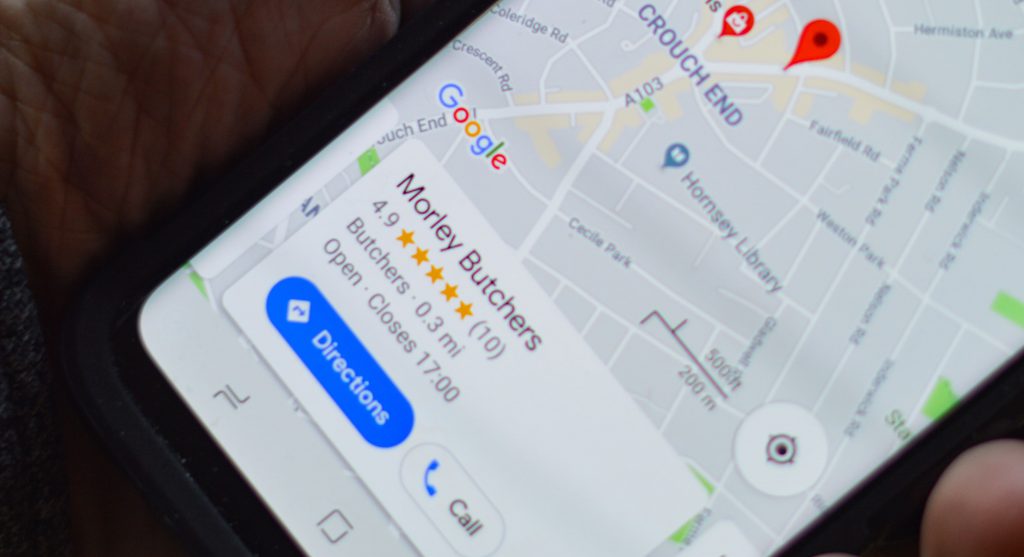
When visiting a new city, most people request Google to recommend the ‘best restaurants near me’. The numbered list they get back in nanoseconds clearly ranks the restaurants near them by popularity. Ever wondered how the owners of the restaurants at number 2, 3 or 10 must feel, if they browsed the same information, out of curiosity? What can one do to get to the top of the list? It’s not that easy!

The impeccable quality of one’s products or services doesn’t decide the issue anymore. Websites have user generated content and allow anyone and everyone to talk about anything under the sun and that would include your services and products. You can’t avoid any of these voices, opinions and reviews. One negative review or nasty comment online could mar one’s reputation and business prospects. This has made it imperative for businesses to stay ahead of the chatter and manage their online reputation with the attention and care it deserves.

Online Reputation Management best practices to consider

Your online reputation is what people think of you as a business. It is a fragile entity controlled by the public, requiring your active intervention as you keep receiving both negative and positive feedback. There are some best practices you can follow when managing your digital reputation.

  1. Establish processes to follow all the chatter online which mentions you, not forgetting that some of these could be business inquiries.
  2. Correct any inaccurate listing if you come to know of it, and address all reviews and defamatory postings online which refer to you, irrespective of the date on which it was posted. Use legal means to fight false reviews and have them removed. Untraceable and hidden attacks will need to be investigated by online analysts using email traces, data cross-indexing and other techniques.
  3. Put out positive content and ensure it is search optimized to get it ranked higher than the negative content, if you can’t get it removed.
  4. Deal with all reviews in a respectful and professional manner, clearly demonstrating your willingness to address their grievance and resolve issues. Offer a coherent explanation when disputing any inaccurate review. Remember, it’s hard to gain trust but very easy to lose it. Never hesitate to apologize when needed. You could take the conversation offline, and build rapport and trust with the reviewer.
  5. Request for a ‘second chance’ – Request really unhappy customers to give you a second chance, and make sure that you deliver on your promise. Be quick to respond, in a matter of minutes. People have lost millions for not responding promptly as it looks like they are rejecting/ignoring the review. Know when to give up on a conversation which refuses to pick up, but make sure that disinterested observers can clearly see that you tried.
  6. Do a quick hashtag search at regular intervals to catch the chatter about your business. Better still, assign a dedicated employee/team to ensure that no comment goes unattended. 

How to thing about your own Online Reputation Management team?

Among the things one needs to consider before putting together a team for managing their online reputation would be:

  1. The volume of reputational issues which need to be handled or responded to. Establish a baseline value for reputational issues by number and frequency.
  2. The general nature of these issues and the typical process followed in resolving them.
  3. Coverage of time & other SLAs: 24/7, Weekdays, any other

How about using an Online Reputation Management platform?

But, first, what about a Reputation Management Tool? These tools constantly monitor all the online chatter using a keyword-based search to zone in any mention of a specific name to see what is being said about them and by whom. If you already have a reputation management tool, carefully track its capabilities and measure what it can accomplish. To illustrate, here are some questions you can ask:

  1. What sources are covered by the tool? Can it follow all the chatter happening anywhere on the World Wide Web or just some platforms?
  2. Does it analyse the data collected and provide you with insights which are actionable?
  3. Does it provide you with user analytics, like influence score for a particular commenter, or provide insight into demographics and further segregate it by geography? After all, like filter coffee in South India, reviews change by location too.
  4. Do you get alerts when your brand is mentioned? Are they received in real time?
  5. How many seats do you have and what is your expenditure on deploying this product? How about planning the future, when you may need more seats?

All these considerations should help to clarify your thoughts as you put a team together to monitor or manage your online reputation. Broadly speaking, we can say:

  • A small to mid-sized business can live with a one-person team reporting to a CMO.
  • A public limited company needs to have at least a couple of seats as following news coverage is very important. Unfavorable news coverage can immediately have a negative impact on its stock prices.
  • A company which is consumer facing and deals with essential products and services needs a large team of customer service representatives dedicated to ORM. They should also have analysts to crunch the data and reports and figure out a corrective action after each incident. A well planned hierarchy should be put in place. Key metrics such as complaints handled/hour, TAT on issues, escalation measures should all be put in place. A support desk integration with the ORM platform helps with such high-volume incidents.

To quote Publilius Syrus, A good reputation is more valuable than money”. Do guard it well.

Reportedly, about 84% of people are supposed to rely on online reviews over personal recommendations as unbiased opinions fit to base their decisions upon. This makes it extremely important for companies to monitor and manage their reputation at all times. See that you put yours in place and empower them by providing them with access to a reliable social listening tool, like Auris.


Online Reputation Management – Words of Wisdom

Reputation is extremely fragile, like a mirror, requiring you to nurture it and care for it with devotion. However, it can be damaged in a matter of minutes and much like a broken mirror, may never allow you to put it back together. This makes it necessary for you to see that you watch over it and manage it with the utmost attention. Online reputation is essentially the same, except that you will never know where the attack is coming from, requiring you to stay alert for the slightest whiff of trouble at all times. Let’s quote Warren Buffet here, “It takes twenty years to build a reputation and five minutes to ruin it”, to drive this thought home better than any of the myriad real life examples which prove this point.

The Internet hears and sees everything and forgets nothing. This makes the task of online reputation management very difficult. Let’s look at some opinions expressed by business leaders, politicians and intelligentsia in the matter of online management, which help to throw light on its importance and its fragility and guide us on how to protect it. Let’s look at some of them and see what their message is conveying to us.

‘Your brand isn’t what you say it is, it’s what Google says it is’

– Chris Anderson, journalist and writer. This would include all the things that you have put out there, along with the comments and opinions posted by literally anyone online about you, with or without identifying themselves! We really must hope for competitors with some scruples.

‘The best place to hide a dead body is page two of Google search results!’

–Dharmesh Shah, Founder & CTO, Hubspot. Most people do not look beyond page 1 and if we fail to be among the top hits on a Google search, we may expect no real results from our online marketing efforts. Turn this thought around, and try hiding any negative information about your brand through sending them to the second page to successfully manage your reputation.

‘Your brand is what people say about you when you’re not in the room’

– Jeff Bezos, Founder of Amazon.He also said ‘A brand for a company is like a reputation for a person. You earn reputation by trying to do hard things well.’Both are pertinent for online as well as offline reputations, for individuals and corporates alike.

‘Our reputation is more important than the last hundred million dollars’

– Rupert Murdoch states the financial side of reputation damage without mincing any words.

‘MySpace is like a bar, Facebook is like the BBQ you have in your back yard and LinkedIn is the office’.

– Reid Hoffman, co-founder of LinkedIn. As LinkedIn keeps experimenting with its format and services, these equations could change and may even vanish one day soon. However, it’s true that social networks an essential part of online presence management for a brand or its products, as they offer a company an opportunity to share its culture or values like superior customer service

‘If you have something that you don’t want anyone to know, maybe you shouldn’t be doing it in the first place’

Eric Schmidt, Ex-CEO, Google. Voicing one of the most truthful statements ever for reputation, both online or offline. All your blogs, photos, videos, tweets, statements, posts, forums, press commentaries etc. have the potential to work for you and also against you, unless you are careful.

‘For a business leader somewhat in the spotlight, it is impossible to hide’

Cédric Manara, renowned Internet Lawyer, putting in perspective, the impossibility of enjoying a private life, when one is in the spotlight. Be it a spouse’s death or a divorce, it becomes impossible for most of them to grieve in private and stay away from prying eyes. If the event threatens one’s reputation, containment becomes even harder, if not impossible. It makes prevention a priority, as with the other nasty things in life.

‘As a general rule, a reputation is built on manner as much as on achievement’,

Joseph Conrad, renowned author in his book Secret Agent. This holds equally true for the behaviour of human beings as it does to their online interactions.

‘Unfortunately, your reputation often rests not on your ability to do what you say, but rather on your ability to do what people expect’,

Bryant H. McGill, renowned author. We can see the truth of this when we witness the brutal trolling faced by well-meaning statements and assurances, especially from political leaders.

‘Reputation is an outcome; but it is also a valuable, strategic asset’,

– Andrew Griffin, a well known technology editor. Anyone whose reputation took a beating online would readily agree with him.

‘In a digitally connected world a byte of data can boost or bite your brand’,

Bernard Kelvin Clive, renowned author and thinker. This is one of his mantra for online brand building.

‘A good reputation is more valuable than money’,

Publilius Syrus, a renowned Latin writer. We agree with him.

‘If people like you they will listen to you, but if they trust you, they will do business with you’,

Zig Ziglar, a renowned author. The same holds true for one’s online reputation management.

‘The reputation of a thousand years may be undermined by the conduct of one hour’,

a Japanese Proverb, which has obviously stood the test of time to stay relevant to this day.

‘Gain a modest reputation for being unreliable and you will never be asked to do a thing’,

Paul Therouxin, a renowned writer. An insightful quote which should put us on guard.

‘Failure is not fatal, but failure to change might be’

John Wooden in another great quote. He has also said to ‘Be more concerned with your character than your reputation, because your character is what you really are, while your reputation is merely what others think you are.’

Publicity is absolutely crucial. A good PR story is infinitely more effective than a front page ad’,

Sir Richard Branson, Founder of the Virgin Group.

The secret of crisis management is not good vs. bad, it’s preventing the bad from getting worse’,

Andy Gilman, Founder of CommCore

‘Don’t worry when you are not recognized, but strive to be worthy of recognition’,

Abraham Lincoln, former President of the United States, in this highly inspirational quote.

‘There is no professional or personal anymore. There’s simply your brand, and it’s up to you to determine whether your brand is affected positively or negatively. That’s it. Anyone who tells you otherwise is wrong’,

Peter Shankman, renowned entrepreneur and editor – summing up the entire wisdom available on online reputation management.

To avoid situations which can damage your reputation, set up a monitoring system that will anticipate the risks to your reputation and help you to control the damage in time. Monitoring is an essential and unavoidable aspect of online reputation management these days.

Listen to the demands on your brand, so that you can react to contain the damage, before it can spread like wild fire and go completely out of control! Talk to us today, to learn how Auris can help you achieve your goals.


5 alerts which help safeguard your brand’s online reputation

There are umpteen examples which illustrate how not being on top of what is being said about your brand can render a jolt to its equity. In our previous blog post we discussed how an online reputation management platform can help avert brand reputation issues.

We elaborate on one aspect of such reputation management platforms which is an important component in your ORM tool kit – Alerts. As the name suggests, such alerts are great when you get the right information, as-it-happens, across to the right person or team within your organization.

What are the alerts which your system needs to enable? Here are 5 which are important.

  1. Negative mentions alert: The simplest one alerts you to any negative mention of your brand, as it happens. If you use a ticketing system, you should be able to choose whether you would have a ticket automatically created for every negative mention or do it manually. A robust reputation management system allows for both use cases.
  2. Influencer mention alerts: There are two scenarios in which such influencer alerts help:
    1. The first obvious scenario is one where any influencer’s mention needs to be dealt with extra sensitivity and caution and warrants an escalation to higher-ups. Depending on influencer scores, you may want to escalate the mentions right to the CMO/CEO.
    2. If you have a very high buzz volume (for example, if you are a utility provider such as in the case of mobile/internet services). You’d need a way to prioritize influencer mentions and keep a tab on such mentions yourself.
  3. News mention alerts: Mainstream media monitoring is essential and given the reach of print media as well as the relatively higher credibility consumers attach to print news, such mentions need to be part of the ‘as-it-happens’ alerts.
  4. Crisis alerts: A common feature of a crisis is that the volume of mentions spikes multiple times in a short time frame. An alert which gets triggered beyond a specific threshold when such a trend is breaking out is an important feature in your alert toolkit.
  5. Competitive intelligence: An alert which tells you stories about competitors or important handles which might provide you with competitive insights or great marketing opportunities. An example which shows the value in having such alerts is discussed in one of our previous blog posts.

The value of alerts improves as they use data enrichment done using AI. For example, location specific mentions being directed to the location head. Alerts can be based on the root cause of a consumer issue and can be sent out to the right team within the company or organization.

Alerts form an important weapon to defend your brand’s reputation. While evaluating online reputation management platforms, be sure to ask about such alerts.